~75% transparency
Daylight, sightlines, and storefront visibility pass through — the display adds a layer, not a wall.
Products · Transparent LED
Transparent P3.91 LED at ~75% transparency — content floats on the glass while daylight and sightlines pass straight through.
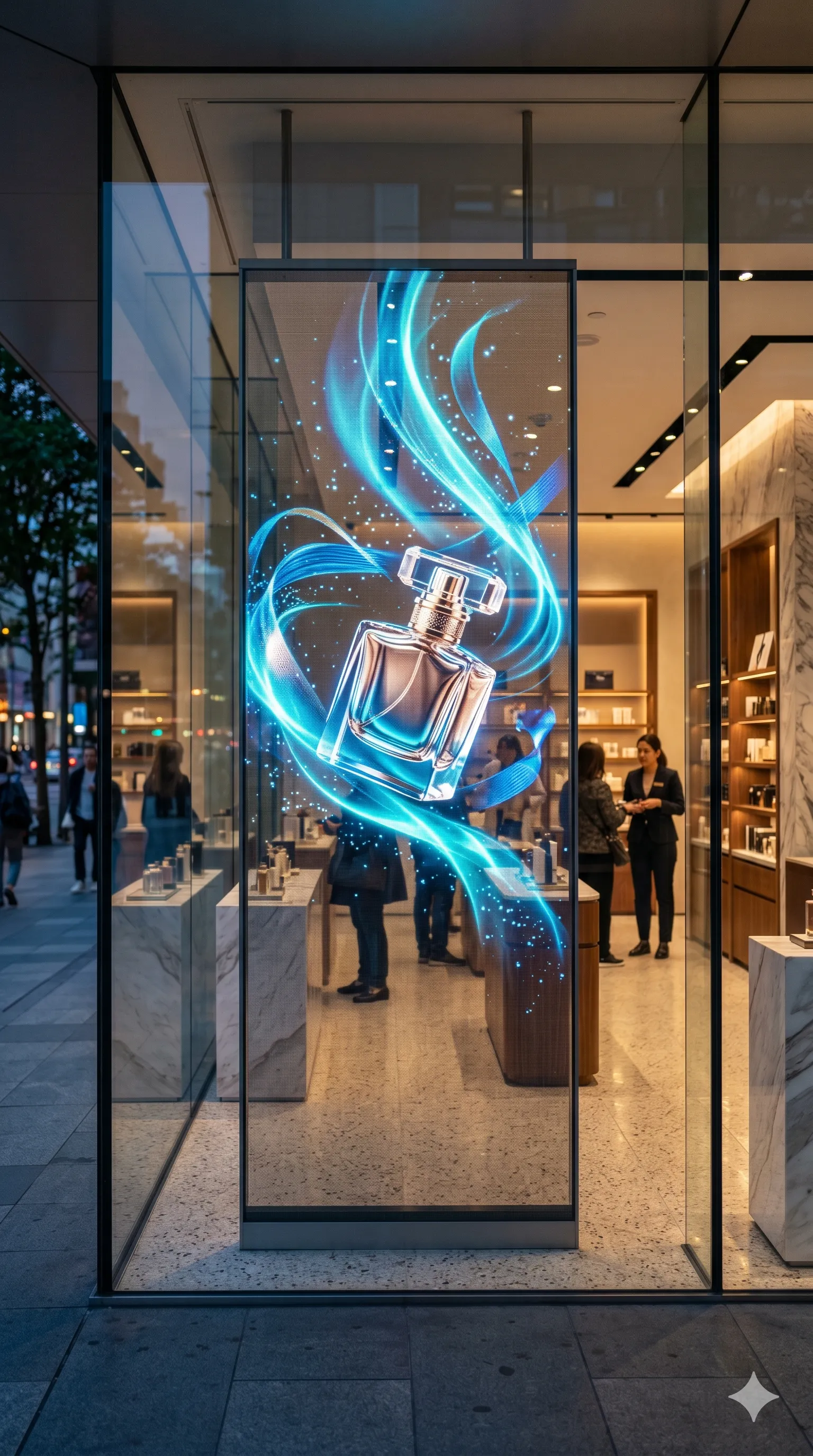
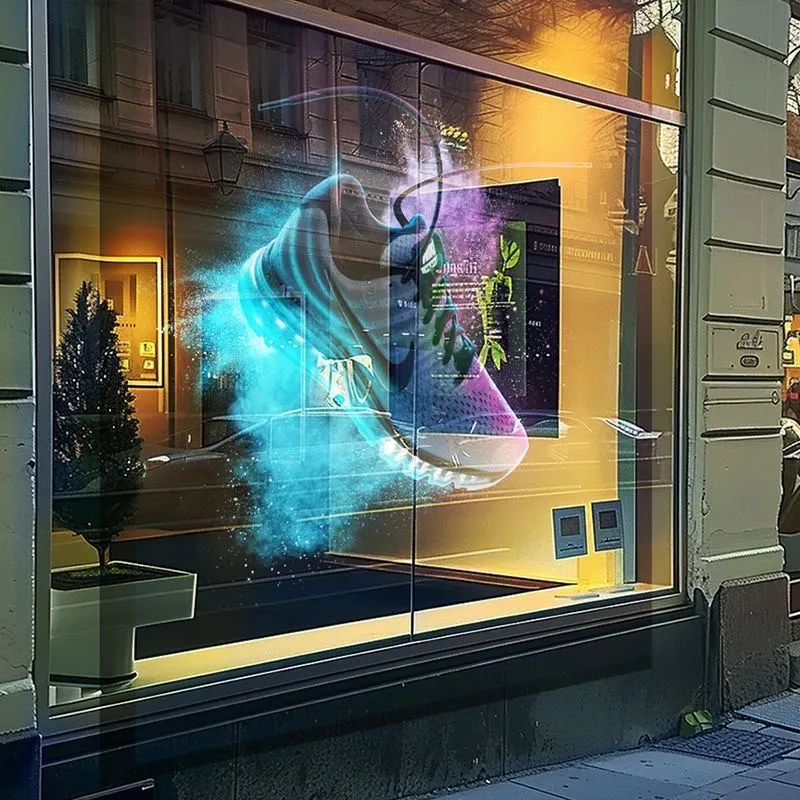
A storefront window is valuable twice: as glass, and as media. Transparent LED refuses to trade one for the other. At roughly 75% transparency, daylight still floods the interior and passers-by still see through — while your content appears to hover on the glass itself.
The panels weigh about 1.6 lb per square foot (8 kg/m²), light enough to mount directly to existing glazing and curtain walls without structural work. High-brightness options keep content vivid against full daylight behind the window — the hardest lighting condition in retail.
Against a dark interior or at night, the effect turns holographic: product renders float in mid-air with nothing visibly holding them. It's the most theatrical thing you can do to a storefront without changing the storefront.
Daylight, sightlines, and storefront visibility pass through — the display adds a layer, not a wall.
At ~1.6 lb/sq ft (8 kg/m²), panels mount to existing glazing and curtain walls without structural change.
Content on a dark background appears to float free of any surface — pure spectacle from the sidewalk.
VP Series · Transparent
One configuration, engineered around the way it will actually be used.
The storefront specialist — daylight-strength brightness on a panel the window barely notices.
| Model | Pixel Pitch | Typical Brightness | Refresh Rate | Min. Viewing Distance | Best For |
|---|---|---|---|---|---|
| VP-T3.91 | P3.91 | 4,000–5,500 nits | ≥ 3,840 Hz | 13 ft (3.9 m) | Storefront glass, showrooms, atriums, glass curtain walls |
Values shown are typical — final specifications are configured per project. Rule of thumb: pixel pitch in millimeters ≈ minimum comfortable viewing distance in meters.
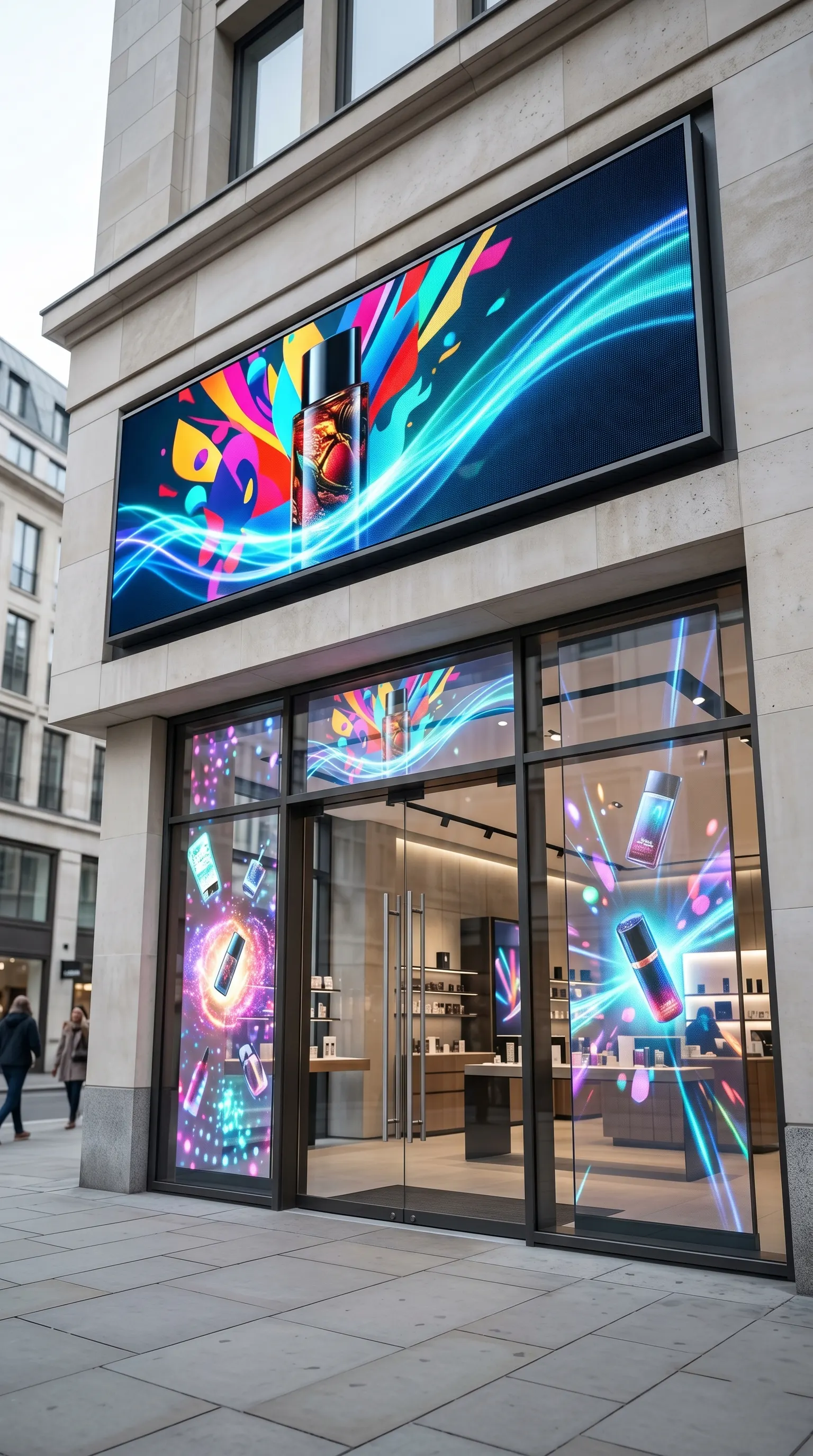
Where it works
Not sure which format fits your project? Browse solutions by industry or talk to a specialist.
Keep exploring
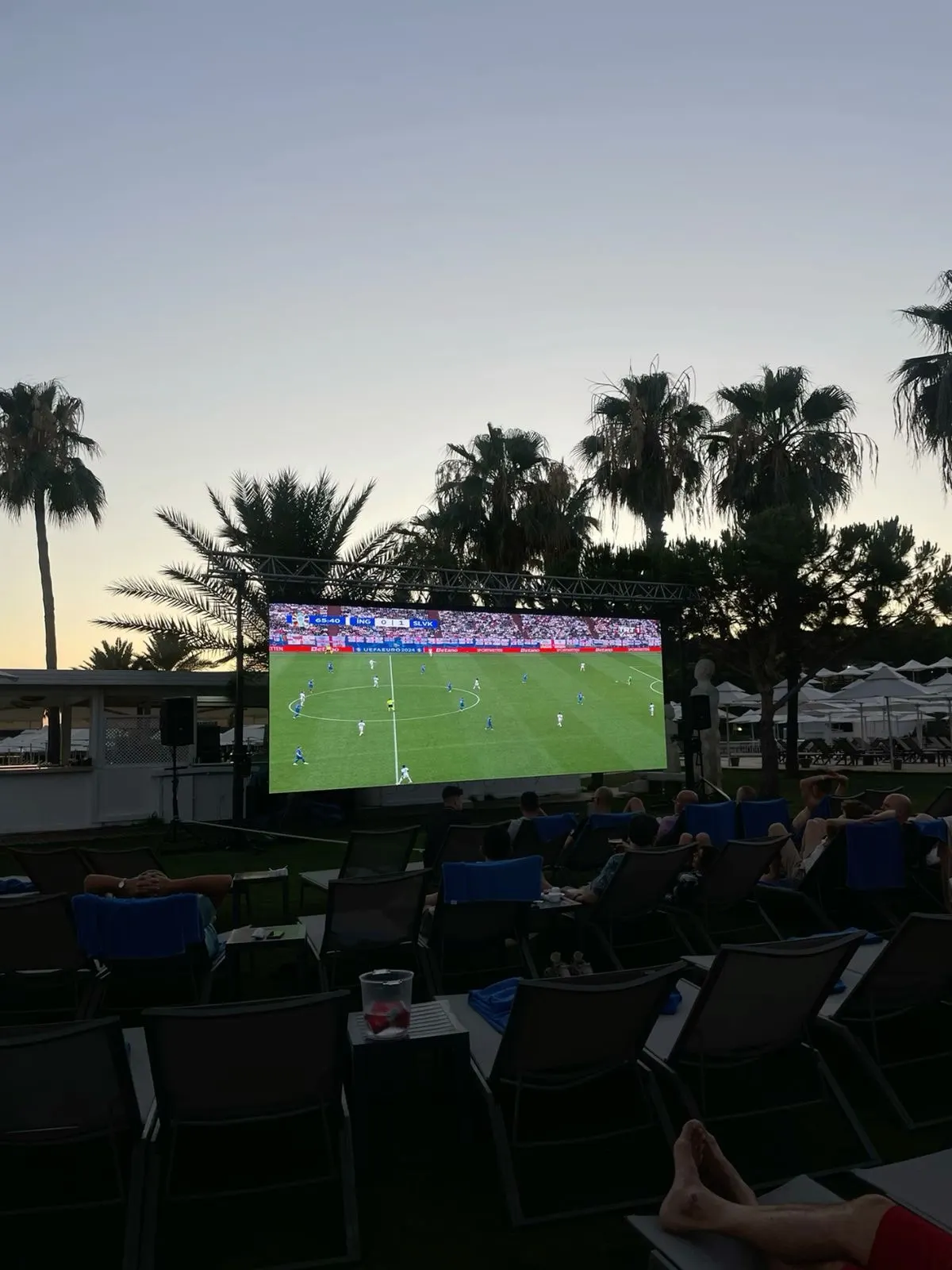 P2 – P4
 5,000+ nit screens that stay vivid in direct sunlight and run through every season.
 P1.8
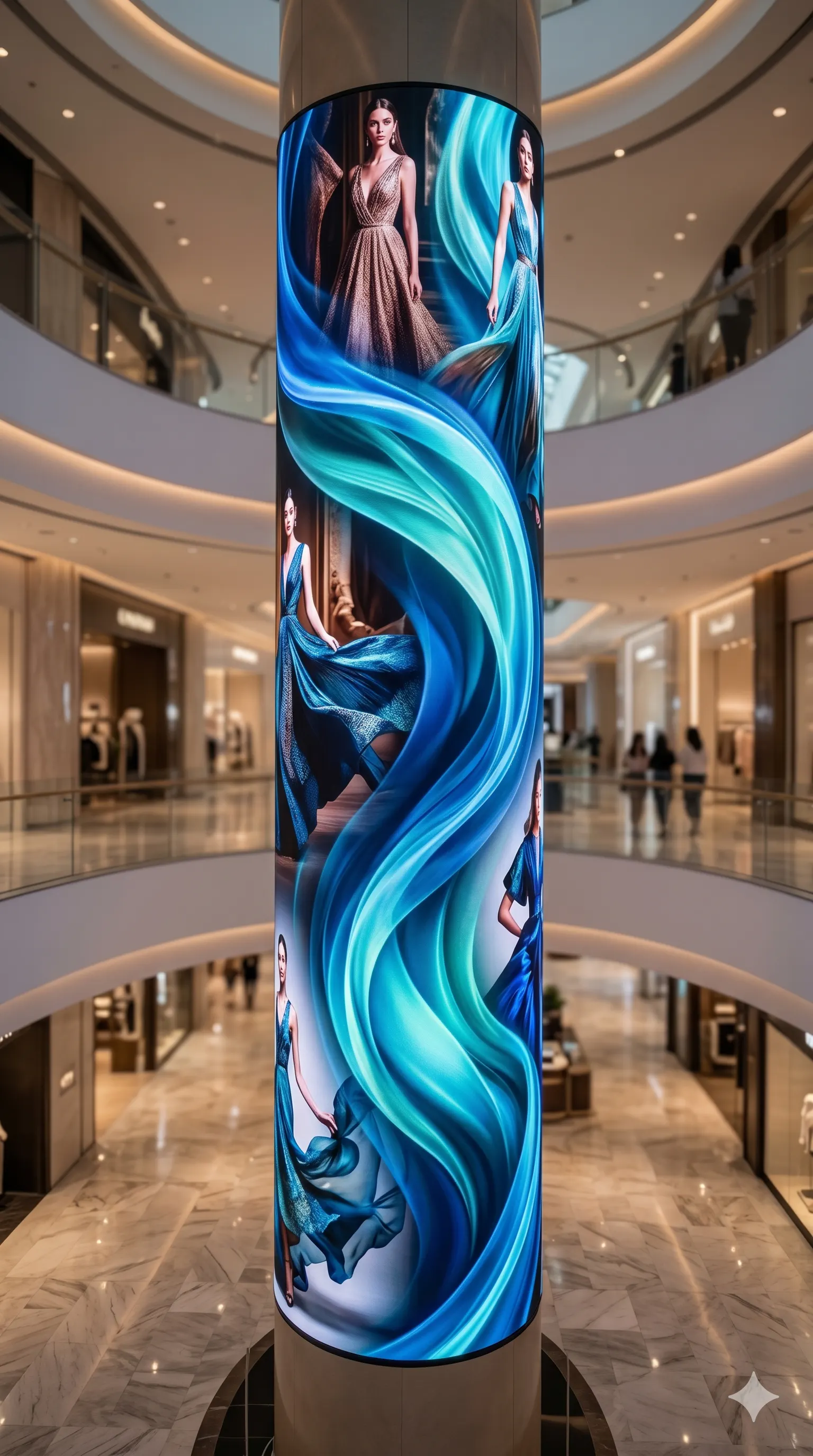
P1.8 Bendable P1.8 modules that wrap columns, curves, and shapes flat panels can't touch.
 P1.2 – P2.5
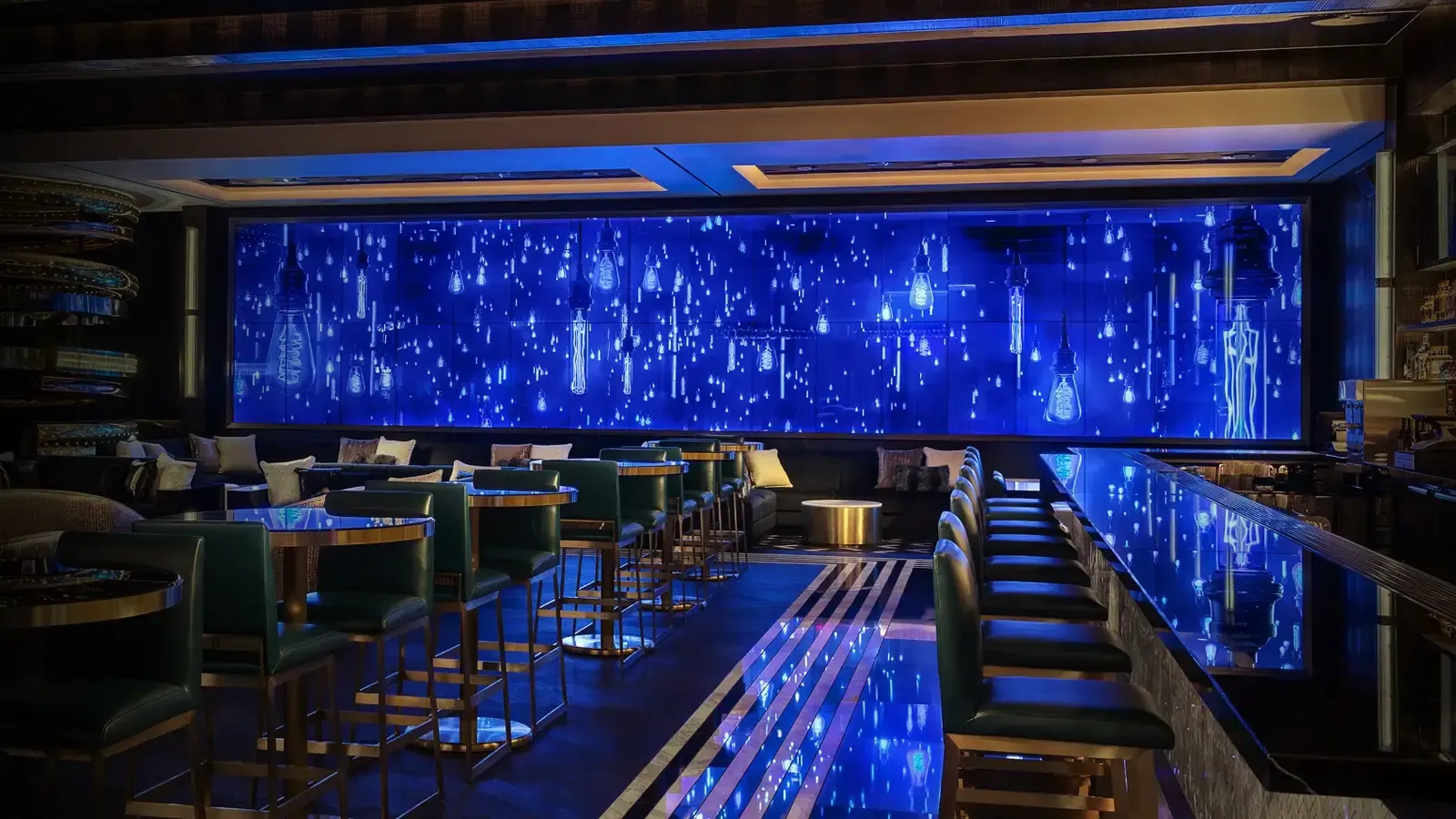
 Seamless fine-pitch walls that make lobbies, boardrooms, and venues unforgettable.
Send a photo of the space and a rough size — that's enough for a first recommendation and honest ballpark numbers.